
Spring in Seattle doesn’t tiptoe in quietly. It rolls through with longer days, stubborn rain showers, and that unmistakable burst of green that makes your yard look alive again. As buds open and branches stretch toward the light, you might glance at your trees and wonder: “Is it time for pruning? Am I doing enough?”
Damp winters and fast-growing species create unique challenges for tree owners here in Seattle. But a proper understanding of tree pruning, seasonal maintenance, and spring care can lay a strong foundation for proper tree care in the Pacific Northwest.
Regardless of experience, knowing the basics of spring tree pruning ensures your trees remain healthy, safe, and structurally sound. Let’s dig into what really matters this season.
How Seattle’s Climate Influences Tree Care
Seattle’s climate plays a major role in how trees grow and how they should be maintained. The region’s frequent rainfall supports healthy vegetation but can also create conditions that lead to moisture-related problems within dense tree canopies.
When branches grow too closely together, airflow through the canopy decreases. In damp conditions, moisture can linger on leaves and bark longer than normal, which may encourage fungal growth or other plant diseases. Strategic pruning improves airflow and allows sunlight to reach more of the canopy.
Seasonal windstorms are another factor in the Pacific Northwest. Strong gusts can stress weak branch attachments or limbs that have grown too long or heavy. Routine inspections and proper spring pruning help reduce the likelihood of branch failure during severe weather.
Understanding Tree Pruning Basics
When homeowners think about tree pruning, they often focus on aesthetics. While appearance matters, structural health is the real priority.
Before you grab a pair of shears, it helps to understand what tree pruning actually involves. Pruning isn’t about randomly cutting branches. It’s a strategic process that:
- Removes dead or diseased wood
- Improves tree structure
- Encourages balanced growth
- Enhances safety
When Is the Best Time for Spring Tree Pruning?
For many species common in Seattle, including maples, cherries, and ornamental trees, late winter to early spring is an ideal time for pruning. Around this time, trees are still partially dormant, making it easier to see branch structure before full leaf-out.
However, not all trees respond the same way. Some tree varieties, like cherry and plum, are best pruned after they finish blooming. Meanwhile, some species of birch and maple are best pruned in mid-summer, after spring sap flow subsides, for easier management.
Because pruning timing varies by species, health condition, and growth pattern, the best schedule for spring tree pruning in Seattle depends on the specific trees on your property and the goals of the pruning work.
General Spring Pruning Guidelines
- Prune before heavy new growth appears.
- Avoid pruning during active flowering for certain species.
- Remove storm-damaged branches immediately.
When in doubt, consulting a professional tree pruning service ensures timing aligns with species-specific needs.
Signs Your Trees Need Attention
You don’t need to be a certified arborist to recognize when a tree may need pruning or closer inspection. Trees often show visible signs when growth becomes unbalanced, branches weaken, or structural problems begin to develop.
Paying attention to these early indicators can help prevent small issues from turning into larger safety concerns:
- Dead or hanging limbs
- Branches rubbing against each other
- Excessive crossing growth
- Visible cracks
- Uneven canopy development
Common Mistakes to Avoid During Spring Pruning
Spring pruning can support healthy growth when done correctly, but improper techniques can weaken trees or create conditions that lead to disease. So, avoid these common pitfalls:
- Over-pruning in a single season
- Topping trees, which weakens the structure
- Cutting too close to the trunk collar
- Ignoring tool sanitation
Spring pruning should guide natural growth rather than force the tree into a shape it cannot sustain.
Creating a Spring Tree Care Checklist
Spring is an ideal time to evaluate the condition of trees after winter weather. A simple seasonal checklist can help homeowners identify problems early and determine whether additional care may be needed.
During early spring inspections, consider the following steps:
- Inspect trees for winter storm damage. Look for broken branches, splits, or limbs that appear weakened.
- Remove clearly damaged or diseased branches. Prompt removal helps prevent decay from spreading into healthy wood.
- Check for signs of pests or unusual growth patterns. Early detection makes treatment more manageable.
- Assess canopy density. Dense growth may benefit from thinning to improve airflow and light penetration.
- Schedule a professional evaluation if needed. Larger trees or structural concerns may require experienced assessment.
Regular inspections make it easier to maintain healthy trees over time. By addressing issues early in the season, homeowners can often prevent small concerns from developing into more complex problems.
The Benefits of Professional Tree Pruning Services
Homeowners sometimes wonder whether tree pruning is something they can manage on their own or whether it requires professional help. The answer often depends on the size of the tree, its location, and the type of pruning required.
When Do You Need Professional Tree Pruning Services?
Professional pruning is typically recommended when dealing with:
- Large or mature trees
- Trees located near homes, roofs, or power lines
- Structural pruning that influences long-term growth patterns
- Storm-damaged limbs or compromised branches
Experienced arborists also understand how pruning affects tree biology. Proper cuts encourage healthy growth and reduce the risk of disease entry.
For many homeowners searching for tree pruning services, safety and long-term tree health are the primary reasons for working with trained professionals.
When to Call Eastside Tree Works
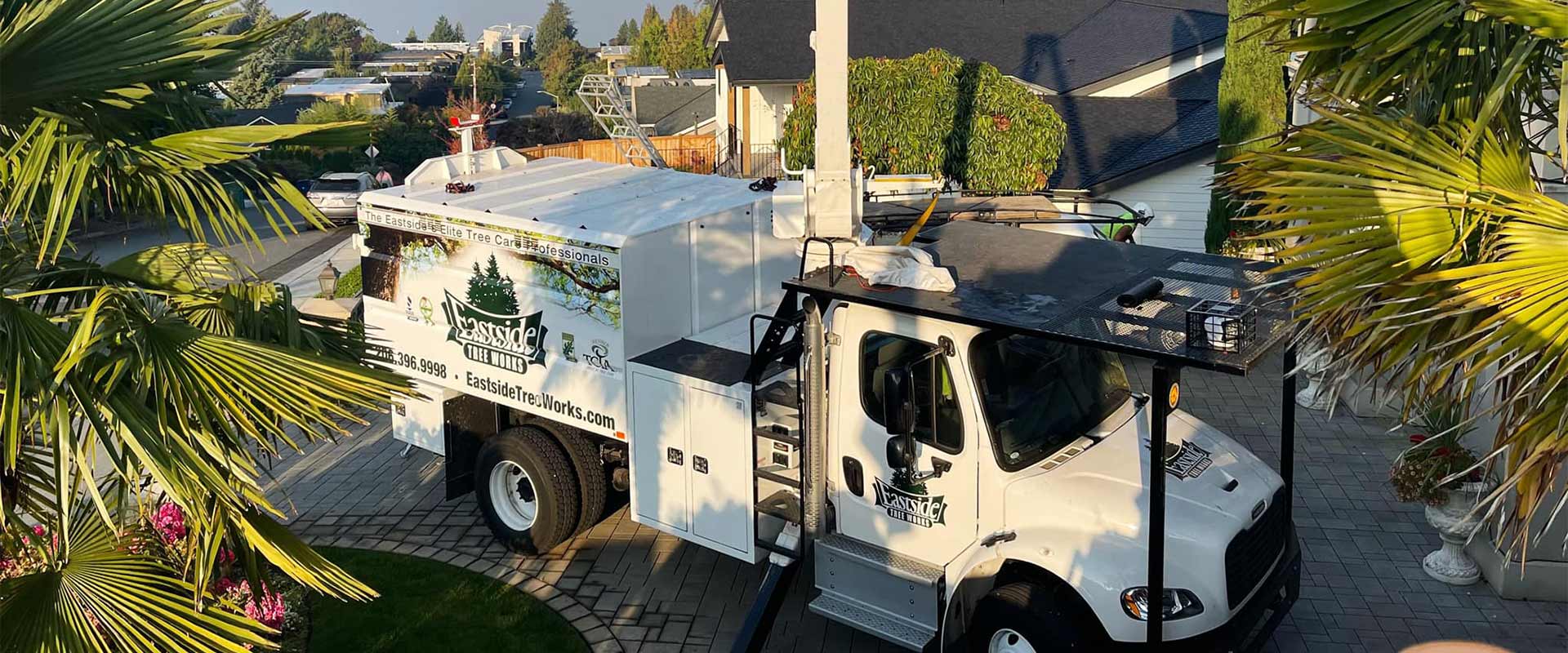
Some tree care tasks require specialized equipment and experience, particularly when dealing with mature or structurally complex trees. If branches are located high in the canopy, positioned above buildings, or show signs of structural weakness, professional assistance may be the safest option.
Eastside Tree Works provides a range of services designed to address these situations, including:
- Structural tree pruning
- Disease evaluation and management
- Hazard assessments for unstable trees
- Crane-assisted removals for trees that cannot be safely dismantled by climbing alone
Professional tree care focuses on maintaining both safety and long-term tree health. An experienced team can evaluate growth patterns, identify structural concerns, and recommend pruning strategies that support the tree’s stability for years to come.
Spring Forward with Healthier, Safer Trees
At Eastside Tree Works, we work with homeowners across the Seattle area to keep their trees healthy, stable, and properly maintained. Our team provides professional pruning, hazard assessments, and structural tree care designed to support long-term tree health while protecting your property.
If your trees need seasonal pruning or you’re unsure whether a branch or canopy issue requires attention, our team can evaluate the situation and recommend the right approach. Contact Eastside Tree Works today!
FAQs About Tree Pruning Seattle
How often should I schedule tree pruning services?
Most trees benefit from pruning every 3–5 years, depending on species and growth rate.
Is spring tree pruning better than fall pruning?
For many species in Seattle, spring offers ideal visibility and recovery timing.
Can I prune flowering trees in early spring?
Light pruning may be acceptable, but heavy cuts should wait until after blooming.
Does tree pruning harm trees?
When done correctly, pruning supports structural strength and healthy growth.
What if I ignore pruning altogether?
Neglected trees can develop weak branch unions and increased storm vulnerability.
